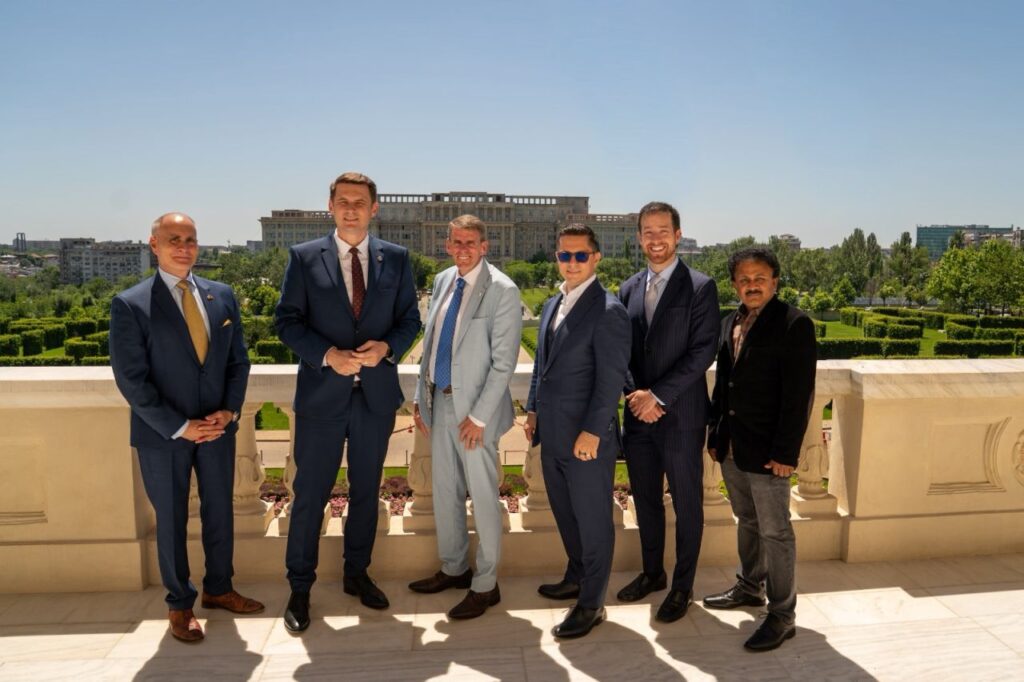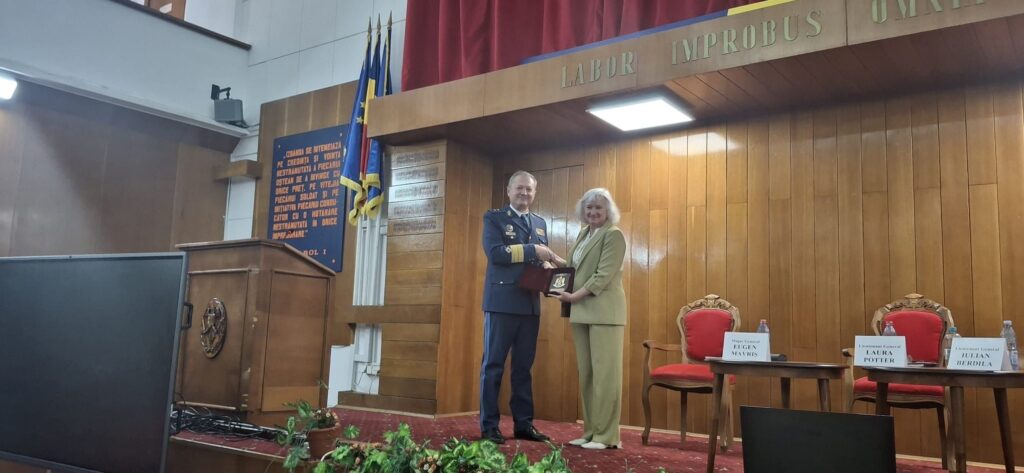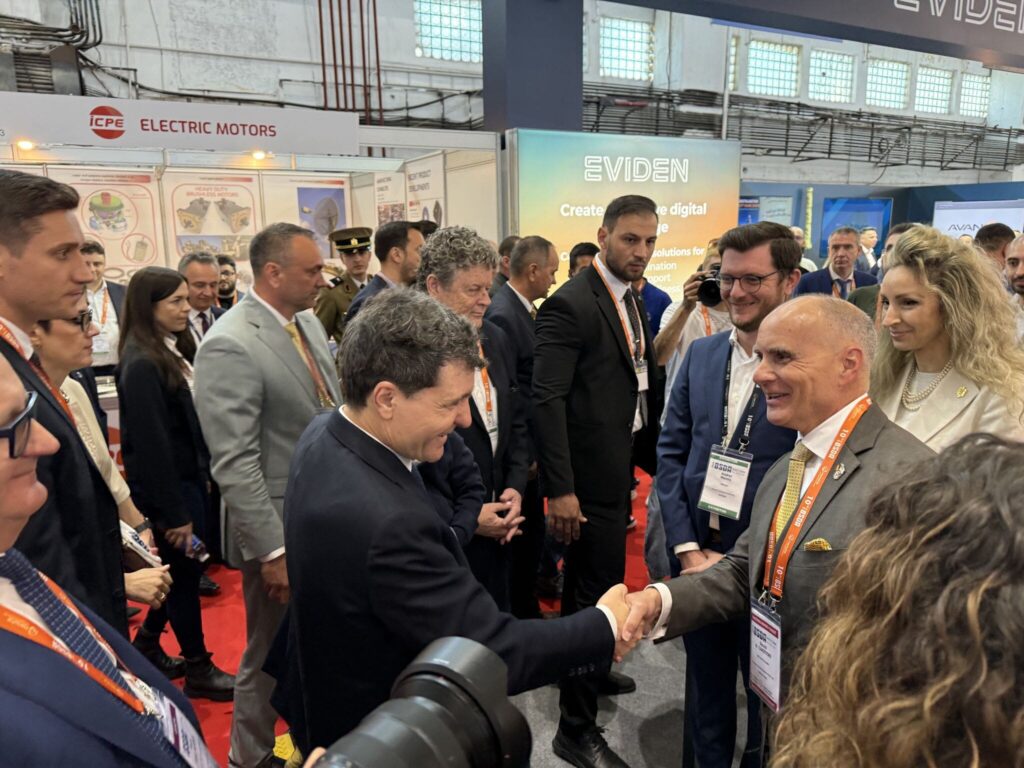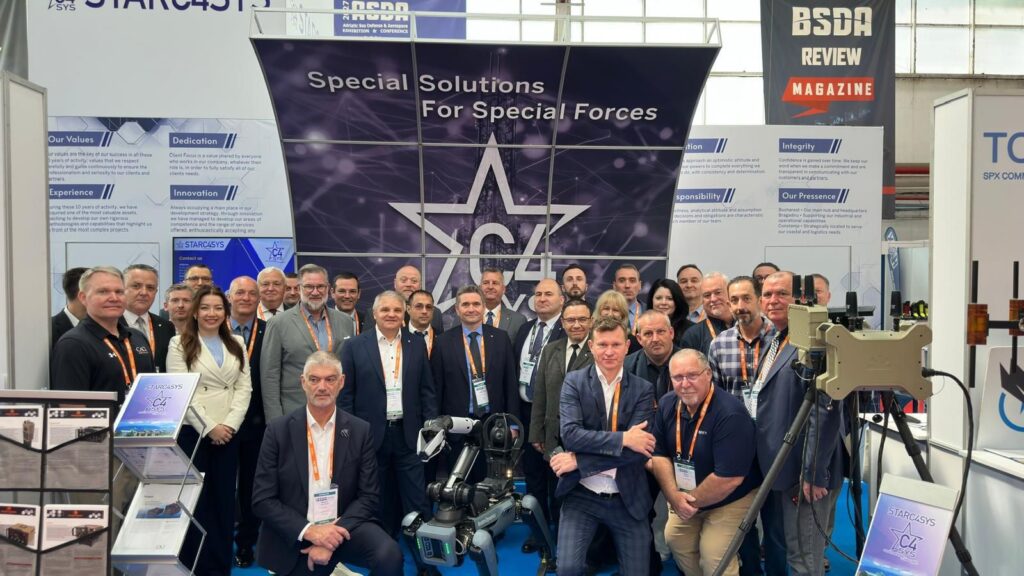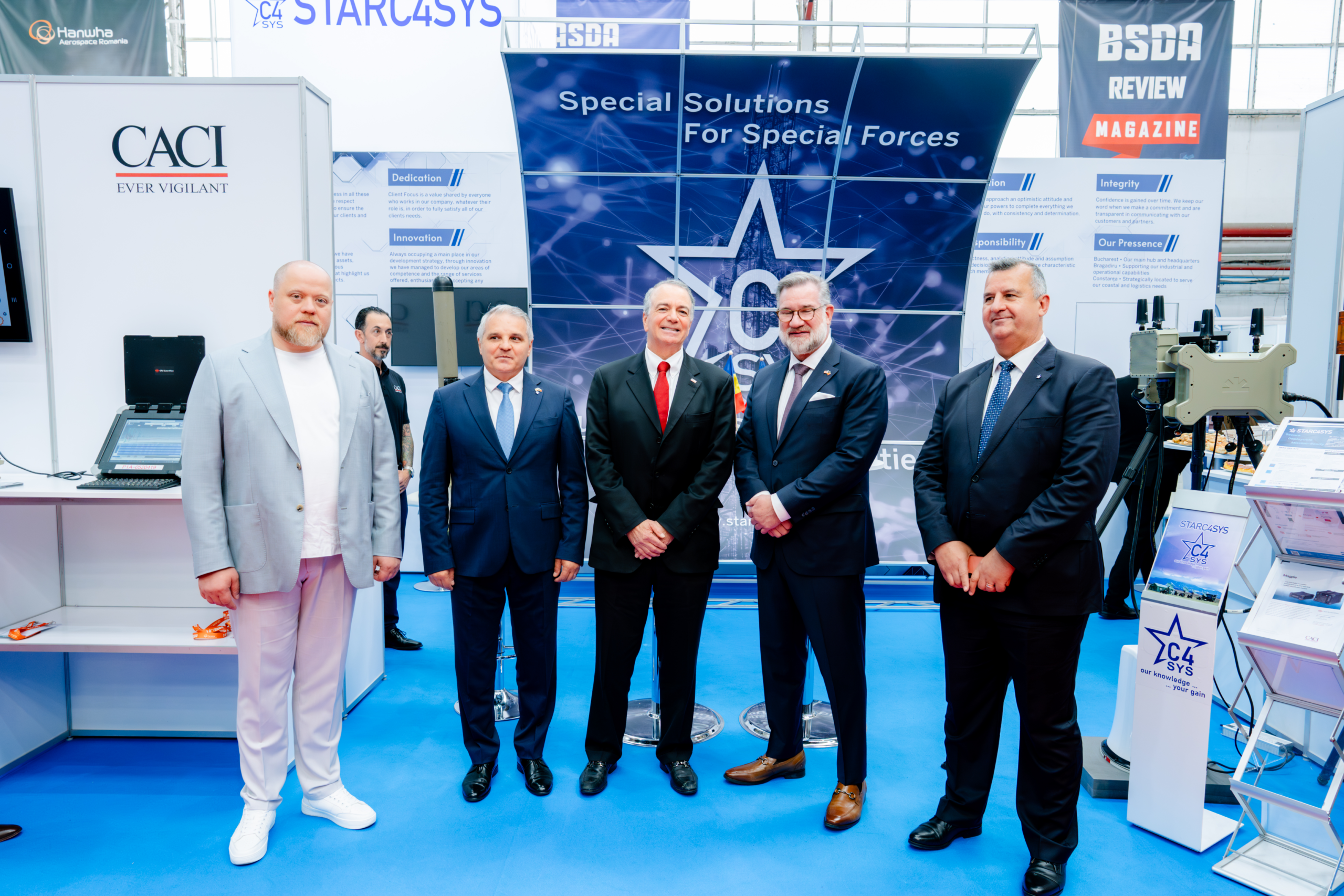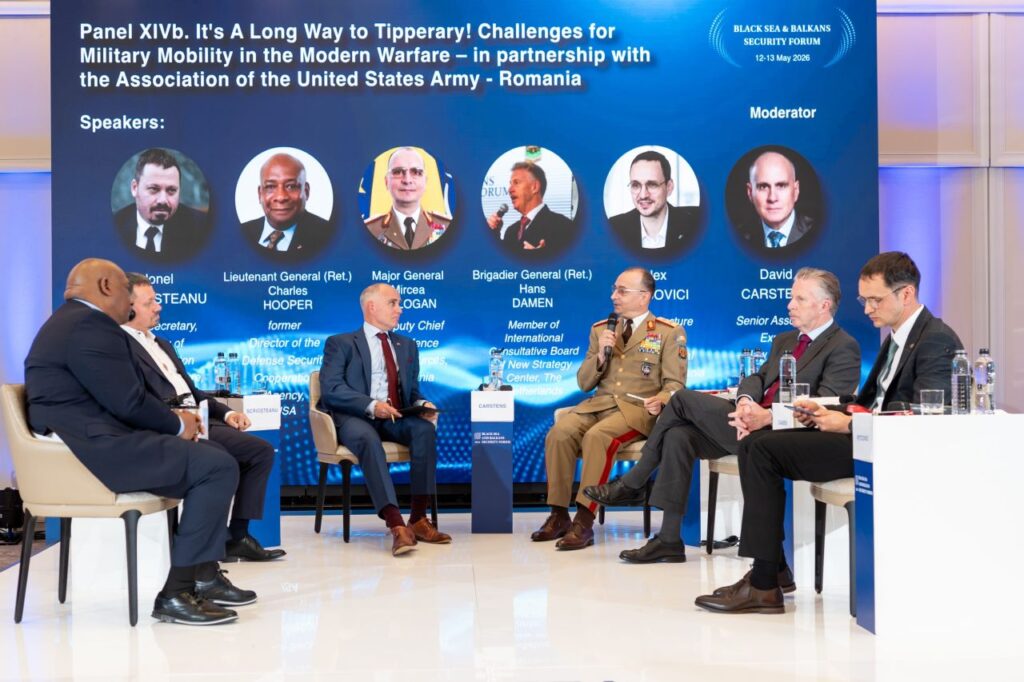
At the anniversary celebration in Bucharest, David Carstens made the case for elevating commercial diplomacy alongside the well-established defense partnership between the two nations.
David Carstens, CEO of Carstens Consulting Global, attended the celebration of the 145th anniversary of diplomatic relations between Romania and the United States, hosted in cooperation with the Ministry of National Defence — Romania and the U.S. Embassy in Bucharest.
Carstens used the occasion to address recent rhetoric questioning what Romania contributes to the relationship, laying out six concrete dimensions of the partnership. Romania hosts the Aegis Ashore missile defense site at Deveselu, part of the U.S. and NATO shield against Iran. It permits U.S. forces to use its bases for rotations, training, and forward logistics. It has approved U.S. troop, aircraft, and equipment deployments supporting Middle East operations. It has deployed its own forces to coalition missions in Afghanistan, Iraq, Kosovo, and Bosnia, losing 26 soldiers in those operations. It meets and exceeds NATO defense spending targets, having committed 2.5% of GDP and aiming for 5%, with major U.S. systems including Patriot, HIMARS, F-16s, and Naval Strike Missiles already fielded — and with M1A2 Abrams tanks and F-35s under contract. It also shares intelligence with the United States at a level unprecedented on NATO’s eastern flank.
The next phase of the relationship, Carstens argued, should expand beyond defense into commercial diplomacy. Romania, he noted, offers energy resources, rare earth potential, a strategic position on the Middle Corridor through the Port of Constanța, a leading role in Ukraine’s post-war reconstruction, and a growing technology sector — all backed by an educated workforce and shared Western values.
Carstens summarized the broader point this way: “Of all the things you can rush to the battlefield during conflict, relationships are not one of them. Nations must build, honor, trust, and value relationships if they wish to call on their allies during times of national crisis.”
The event was supported by sponsors LUNOX HR International and BlueSpace Technology.
The CEO of Carstens Consulting Global represented the AUSA Prince Cuza Chapter — Bucharest at this year’s “Ziua Veteranilor de Război,” honoring surviving Romanian veterans of the Second World War.
David Carstens, CEO of Carstens Consulting Global, represented the AUSA Prince Cuza Chapter — Bucharest at the annual “Ziua Veteranilor de Război” (Romanian War Veterans Day), an event dedicated to honoring those who served in defense of Romania.
The day was organized by Otilia Sava, former State Secretary at the Romanian Ministry of National Defense (MApN) and President of the “Alături de Eroi” association. More than 350 care packages were prepared and delivered to surviving veterans of the Second World War — a contingent that, while diminishing each year, continues to be honored by the institutions and partners that have built this tradition. Carstens noted the privilege of meeting two of those veterans in person.
The chapter extended its thanks to longstanding Community Partner Scandia Food for its continued support, and welcomed Alexandrion Group and Stradale as new sponsors of this year’s event.
Carstens Consulting Global remains an active member of the U.S.–Romania veterans community through the AUSA Prince Cuza Chapter — Bucharest.
As global markets continue to shift and evolve, the economic relationship between the United States and Romania is quietly gaining momentum. American companies are increasingly active in the Romanian market, with 2022 marking a record year — and 2025 showing signs of approaching that benchmark once again.
Based on the latest reports, at the heart of this trend is Bucharest, Romania’s capital and economic powerhouse. Boasting a GDP larger than that of Bulgaria, Bucharest alone hosts more than half of all American-affiliated businesses in the country. To date, 284 U.S.-involved companies have set up shop in the city, followed by Cluj (33 companies) and Ilfov (28), underscoring a clear concentration of American capital in the southern and central regions of Romania.
Global Vigilance S.R.L., one of the Romanian subsidiaries of Carstens Consulting Global Inc., registered in Bucharest, earned a place among top-performing US companies in Romania in 2023 based on turnover — a testament to its strong market positioning, operational excellence, and strategic alignment with regional growth trends. This achievement marks more than just a financial milestone; it reflects the company’s expanding role in shaping high-impact, cross-border advisory services in Eastern Europe. As Global Vigilance continues to deepen its presence in Romania, it stands as a key pillar in Carstens Consulting Global’s broader vision for long-term, sustainable growth across emerging markets.
Unsurprisingly, the sectors seeing the most traction are software development, business consulting, energy, and advertising — industries where American innovation and service delivery already excel. These are fertile grounds for startups and established firms alike, and Romania’s skilled, cost-effective workforce continues to be a magnet for growth.
While the current distribution of investment is promising, there’s an even greater opportunity waiting just beyond the capital. Fourteen Romanian counties have yet to attract a single American-owned company in the past three years. For investors and strategic planners, this gap presents a two-fold opportunity:
The counties ripe for strategic investment include:
Alba, Galați, Neamț, Giurgiu, Ialomița, Olt, Călărași, Tulcea, Satu Mare, Covasna, Harghita, Buzău, Vâlcea, and Vrancea.
These regions are not just “blank spots on the map” — they represent frontiers of opportunity for companies willing to get ahead of the curve. With the Romanian government actively courting foreign investment and local leaders eager to put their counties on the economic map, now is the time to explore these emerging markets.
At Carstens Consulting Global Inc., we help international businesses identify high-impact opportunities in evolving markets. Romania is a case study in what happens when economic potential meets political will — and we’re here to guide investors, innovators, and policymakers every step of the way.
Whether you’re looking to expand your footprint in Bucharest or pioneer new ground in untapped counties, we provide the insight, strategy, and on-the-ground connections to make your vision a reality.
Let’s talk strategy.
Are you ready to invest where the future is heading?
Honored to join this prestigious European center, sponsored by the Romanian Ministry of Foreign Affairs, as an Associate Expert! I look forward to helping to advance the topic of resilience as a means to support economic and social growth as well as global security.
LinkedIn: Euro Atlantic Resilience Center
Romania is a committed North Atlantic Treaty Organization (NATO) ally and the cornerstone of Black Sea security. Despite Romania’s demonstrated NATO contributions, perhaps we are underestimating the country’s capabilities and potential when it comes to deterrence. What Romania proved most during the COVID-19 pandemic response was that it could embrace the values of leadership, contribution and positive influence by rapidly extending medical aid to countries such as Italy, the Republic of Moldova and even the United States while simultaneously responding to its own crises at home. The Romanian military was the ultimate tool in this form of soft-power projection: agile enough to rapidly deploy medical aid, flexible enough to manage traditional civil institutions such as local/regional hospitals when called upon by the government to do so and innovative enough to re-tool parts of its defense industry to produce COVID-19 related equipment on a moment’s notice. These are remarkable achievements that can be used to influence partners and neighbors in Eastern Europe and the Black Sea region. We should re-evaluate Romania’s increased potential to NATO, the European Union (EU) and bilateral relations with the United States, specifically in the area of soft power projection.
INFOSFERA: A Soft Power Leader in Eastern Europe
Delighted for the invitation to join Leviatan Group on their Board of Advisors. Leviatan Group includes the companies Leviatan Design, Ubitech Construction and eConfaire Immersive Design. This design and build conglomerate represents the innovation and commitment to excellence so desperately needed in the field of construction. Leviatan’s achievements to date are impressive and I am honored to join CEO and Founder Catalin Podaru and his amazing Team as they push to new levels of excellence.
Honored for my recent appointment as a Senior Associate Expert at the preeminent security think tank in Romania, the “New Strategy Center.” During their recent Unmanned Systems Forum on 20 February 2024, I was reminded of how important unmanned systems (and counter unmanned systems) are to regional security. It reminded me of an article I wrote in 2021, advocating for a NATO Unmanned System Center of Excellence in Romania. The article was published in Romania’s military intelligence journal, INFOSFERA. Never was this concept more relevent and timely! Please read and share your thoughts:
“Rising demand for resources, rapid urbanization of littoral regions, the effects of climate change, the emergence of new strains of disease, and profound cultural and demographic tensions in several regions are just some of the trends whose complex interplay may spark or exacerbate future conflicts (The Quadrennial Defense Review, 2010).”
Still true today! Read my published chapter (starting page 177) in the book, Sustainability and National Security:
Sustainability and National Security
PREVIEW: The climate is drastically changing. Global temperatures are increasing, storms are becoming more numerous and severe, and ocean levels are rising. The consequences of these changes include food shortages, fresh water scarcity, destruction of homes and a loss of life and livelihood on a previously unseen scale. The resulting social and economic unrest caused by these changes will exceed most governments’ capacities to cope with the crises. This will be the spark that ignites tomorrow’s regional conflicts and creates the humanitarian disasters to which the U.S. military will most certainly be drawn. To avoid overextending the capabilities of tomorrow’s military, the United States must make its allies and partners resilient: more adaptable to climate change and more capable of dealing with disaster response and prevention. Building resiliency into the Nation’s National Military Strategy (NMS) will require a cultural shift from within, expanded partnerships with academics and scientists conducting climate change research, and reformed Security Sector Assistance. A failure to act now will only increase the inevitable military resource drain in response to tomorrow’s humanitarian crises.